



The Psychology Behind Bluffing
Bluffing in poker transcends mere tactics; it dives deep into the psychological interplay between players. At its core, bluffing exploits the fears and insecurities of your opponents, compelling them to fold hands that may be stronger than yours. Additionally, many players seek to enhance their gaming experience by exploring the best online casino in new zealand for more opportunities. Successful bluffing hinges on not just the cards you hold but also on how well you can read the mental states of your competitors. Understanding the psychological profiles of different player types is crucial, as some may be more susceptible to bluffs than others.
For instance, aggressive players, who often challenge your bets, might be more likely to call a bluff. In contrast, passive players could fold at the slightest hint of pressure. By observing these tendencies, you can tailor your bluffing strategy to exploit specific weaknesses in your opponents’ gameplay. This understanding requires keen observation skills and the ability to adjust your strategy dynamically based on how players react throughout the game.
Furthermore, your own demeanor plays a significant role in the effectiveness of your bluff. When you project confidence and calmness, you weave a compelling narrative that can mislead opponents into believing in the strength of your hand. Conversely, if you exhibit signs of nervousness or uncertainty, players may sense vulnerability and call your bluff. Thus, mastering the art of bluffing is as much about emotional control and storytelling as it is about the cards dealt to you.
Effective Techniques for Successful Bluffing
To become an adept bluffer, employing a variety of techniques is essential. A popular strategy is the “semi-bluff,” where you bluff with a hand that has the potential to improve. For example, if you have a drawing hand, making a substantial bet might force weaker opponents to fold while still giving you a chance to hit your draw. This approach cleverly balances risk and reward, leveraging the uncertainty in your opponents’ minds while keeping your own options open.
Another effective technique involves establishing a consistent betting pattern to mislead your opponents. By varying your bet sizes and being unpredictable, you make it challenging for others to deduce the strength of your hand. This unpredictability adds an essential layer of complexity, forcing players to second-guess their decisions and potentially succumb to your well-timed bluffs. The goal is to create a narrative that masks your true intentions and keeps your opponents off balance.
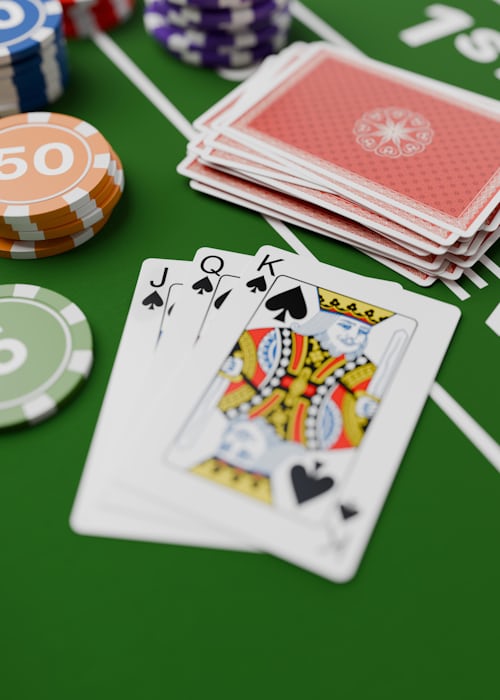
Timing is a critical element in successful bluffing. Knowing when to execute a bluff versus when to fold requires practice and keen observation. Bluffing too frequently can quickly lead to being caught, while being too timid may prevent you from capitalizing on advantageous situations. The key is to identify moments when your bluff has the highest chance of success, allowing you to apply just the right amount of pressure without overstepping your bounds.
The Importance of Position in Bluffing
Your position at the poker table significantly influences the effectiveness of your bluffing strategy. Players seated in later positions enjoy the advantage of observing their opponents’ actions before making their own decisions. This insight allows you to make informed bluffs, tailoring your approach based on how aggressive or passive others have been during the hand. Utilizing this positional advantage can create opportunities for successful bluffs that might not be feasible when acting early.
In late positions, you can gauge the strength of your opponents’ hands more effectively. For instance, if a player in an early position makes a big bet, it may indicate a strong hand. Conversely, if multiple players check before you, it could signal weakness, allowing for an opportunity to bluff decisively. Understanding the dynamics of position can greatly enhance your overall poker strategy and improve your chances of making successful bluffs.
However, players in early positions must adopt a more cautious approach when it comes to bluffing. Since they act before most opponents, they lack the information that later position players possess. Consequently, it may be wiser for early-position players to play conservatively or only attempt bluffs in well-defined scenarios where the perceived risk is justified by the potential rewards. Ultimately, mastering bluffing means adapting your strategy to your position and the evolving dynamics of the game.
Reading Your Opponents
Reading your opponents is an essential skill that significantly enhances your bluffing potential. The ability to interpret body language, facial expressions, and betting patterns provides invaluable insights into the strength of their hands. For example, a player who suddenly becomes unusually quiet after making a bold bet may be feeling pressure, which can indicate weakness. By honing your observational skills to pick up on these subtle cues, you can dramatically improve your bluffing effectiveness.

Understanding your opponents’ tendencies also plays a crucial role in successful bluffing. Are they generally conservative or aggressive players? Do they frequently attempt bluffs themselves, or do they prefer a more cautious approach? By creating a mental profile of each opponent, you can better predict their reactions to your bluffs. This knowledge allows you to make informed decisions about when to push for a bluff and when to hold back, granting you a strategic edge in your gameplay.
Moreover, being self-aware of your own tendencies is equally important. If you’ve established a pattern of aggressive play, your opponents may become more inclined to call your bluffs, diminishing their effectiveness. Therefore, varying your gameplay is crucial. By presenting yourself as a versatile player, you can instill doubt in your opponents’ minds. Bluffing becomes far more effective when they cannot easily predict your moves based on your previous behavior, allowing you to exploit their uncertainty.
Your Source for Poker Insights
Whether you are a seasoned poker veteran or just embarking on your journey into card games, mastering the art of bluffing is essential for achieving success. Our website stands as a premier hub for poker strategy, offering a wealth of articles, tips, and expert insights on bluffing and a variety of other strategies designed to enhance your overall gameplay. Explore our resources to elevate your understanding and proficiency in poker, allowing you to play with confidence.
As we delve into the intricacies of poker, our goal is to empower players of all skill levels. Our dedicated articles break down complex concepts into digestible formats, ensuring that essential strategies are accessible to everyone. Learning to bluff effectively can be the difference between victory and defeat, and our platform is here to guide you in developing the skills necessary to thrive at the table.
Join our vibrant community of poker enthusiasts and sharpen your skills with expert resources curated to elevate your game. Bluffing is an integral component of poker that requires practice, insight, and knowledge. By engaging with our content, you can cultivate the confidence needed to perform at your best, transforming bluffing into a powerful weapon in your poker arsenal. Embrace the challenge and start mastering your bluffing skills today!